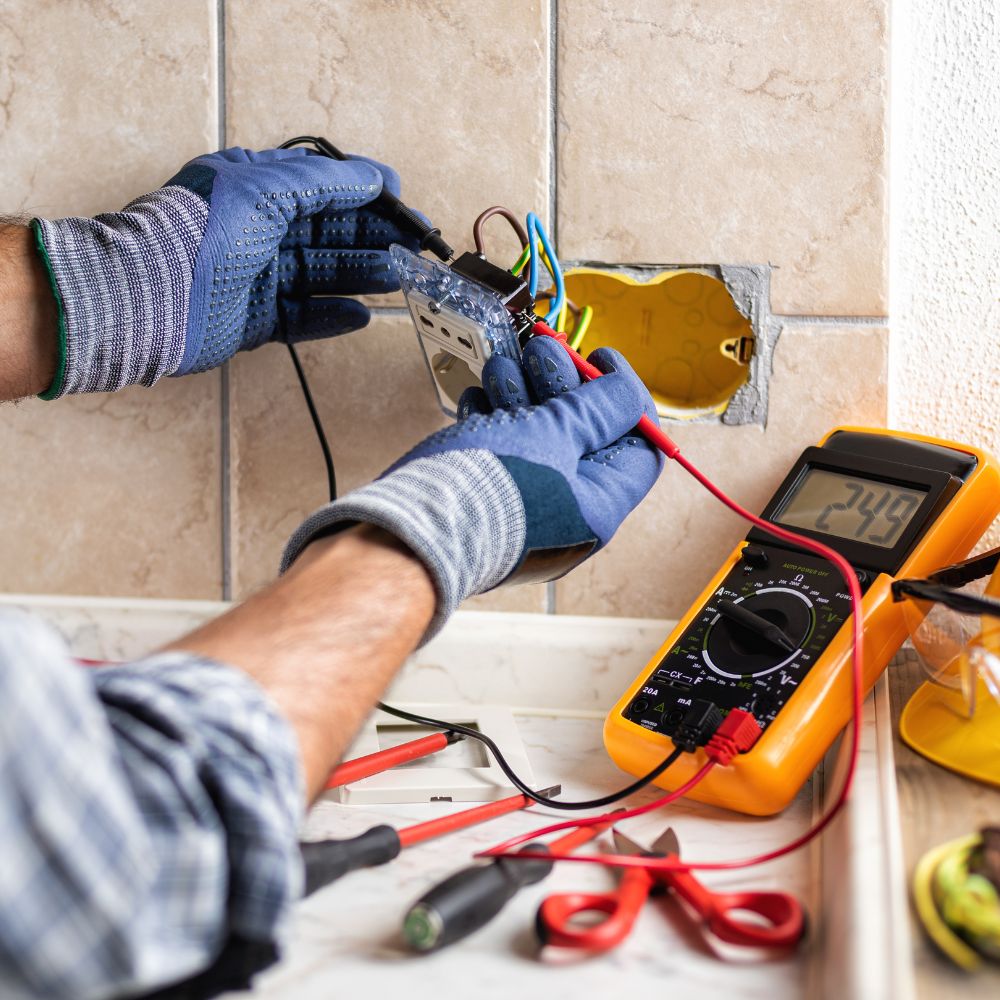
Electrical safety standards are essential guidelines designed to protect individuals and property from electrical hazards. These standards govern the installation, maintenance, and operation of electrical systems and equipment. In this blog post, we will explore the importance of these standards, the various types of regulations in place, and how they contribute to overall safety.
What Are Electrical Safety Standards?
Electrical safety standards are a set of rules and guidelines established by various organisations to ensure that electrical installations are safe for use. These standards cover a wide range of topics including wiring methods, equipment specifications, testing procedures, and maintenance protocols. They aim to prevent electrical accidents such as shocks, fires, and equipment damage.
The Importance of Electrical Safety Standards
The significance of adhering to electrical safety standards cannot be overstated. Here are some key reasons why these standards are crucial:
1. Protection Against Hazards
Electrical hazards can lead to severe injuries or even fatalities. By following established safety standards, individuals can significantly reduce the risk of electric shocks or fires caused by faulty wiring or improper installations.
2. Compliance with Legal Requirements
Many countries have laws that mandate compliance with specific electrical safety standards. Failure to adhere to these regulations can result in legal penalties or fines for both individuals and businesses.
3. Assurance of Quality
Electrical safety standards ensure that products and installations meet minimum quality requirements. This not only protects users but also promotes confidence in the reliability of electrical systems.
4. Insurance Benefits
Insurance companies often require compliance with recognised electrical safety standards before providing coverage for properties or businesses. Adhering to these guidelines can help secure insurance policies at more favourable rates.
Types of Electrical Safety Standards
There are several key organisations responsible for developing and enforcing electrical safety standards globally:
1. International Electrotechnical Commission (IEC)
The IEC is an international organisation that prepares and publishes international standards for all electrical technologies. Their guidelines cover everything from basic household appliances to complex industrial machinery.
2. National Fire Protection Association (NFPA)
In the United States, the NFPA develops codes related to fire prevention which include aspects concerning electrical installations—most notably the National Electrical Code (NEC). This code is widely adopted across various states as a benchmark for safe practices.
3. British Standards Institution (BSI)
In the UK, BSI publishes a range of British Standards related to electrical installations (e.g., BS 7671). These documents provide guidance on safe practices tailored specifically for UK conditions.
4. Occupational Safety and Health Administration (OSHA)
OSHA sets forth regulations regarding workplace safety in the United States, including those related to electricity usage in industrial settings.
Key Components of Electrical Safety Standards
Understanding what constitutes good practice within these guidelines is essential for anyone working with electricity:
1. Proper Wiring Techniques
Standards dictate how wiring should be installed—this includes using appropriate materials, ensuring correct gauge sizes based on load requirements, and following colour coding conventions for identification purposes.
2. Grounding Systems
Grounding is vital for preventing electric shock hazards; therefore, standards specify how grounding systems should be designed and installed effectively within buildings.
3. Circuit Protection Devices
Circuit breakers and fuses play critical roles in protecting circuits from overloads or short circuits; hence their specifications are strictly outlined within various codes.
4. Regular Inspections & Maintenance
Routine checks ensure that all components function correctly over time while identifying any potential issues before they escalate into dangerous situations—standards often recommend specific inspection frequencies depending on usage levels or environmental factors affecting installations.
How To Ensure Compliance With Electrical Safety Standards
To guarantee compliance with relevant electrical safety regulations:
- Hire Qualified Professionals: Always engage licensed electricians who understand local codes.
- Stay Updated: Regularly check updates on applicable laws or changes in industry practices.
- Conduct Regular Audits: Implement internal audits assessing adherence levels against established benchmarks.
- Provide Training: Educate employees about best practices related to electricity use within their roles—this fosters a culture prioritising safety at work!
Conclusion
Understanding electrical safety standards is crucial not only for professionals working directly with electricity but also for homeowners looking after their own properties safely! By adhering strictly to these regulations—whether through proper installation techniques or routine inspections—you contribute significantly towards creating safer environments free from unnecessary risks associated with electricity usage! Always remember: when it comes down it—safety first!